
1.5
million
Existing Production Capacity
Annual output (FY2024)

A wide range of gift manufacturing solutions covering the full process from design and development to finished delivery, with a focus on quality, creativity, and customization to support brand promotion and marketing.

Consumer products that combine functionality and practicality, integrating quality materials with precise craftsmanship to meet diverse needs across markets and everyday life.

Extensive expertise in toy development and manufacturing, with a product range covering plastics, plush, electronics, and multi-material combinations, strictly in compliance with international safety and quality standards.





Guangxi

Heyuan

Dongguan

Dongguan
Indonesia
Indonesia
Existing Production Capacity
Existing Production Capacity
Existing Production Capacity
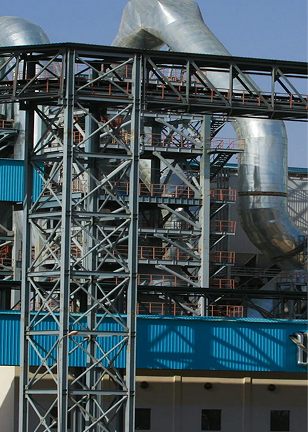
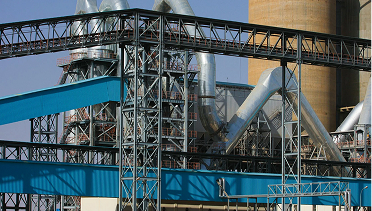

Dongguan Production Base
Existing Production Capacity
Existing Production Capacity
Existing Production Capacity
Dongguan Production Base
Existing Production Capacity
Existing Production Capacity
Dongguan Production Base
Dongguan Production Base
Dongguan Production Base
Dongguan Production Base
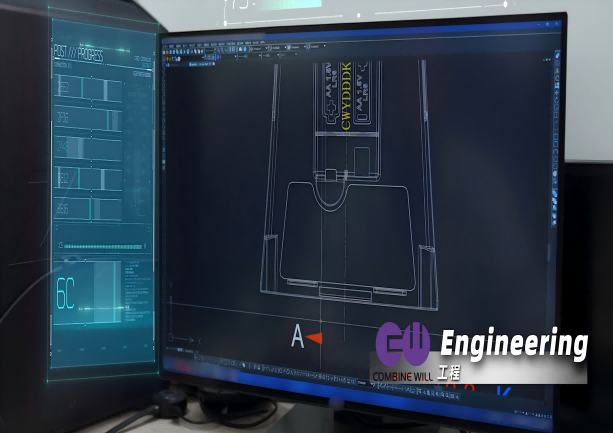
Structural engineers ensure that products fulfill their functions more effectively, making them sturdier and more durable while also ensuring safety and convenience. They also strive to incorporate elements of fun and innovation into the product design.
In response to customer requirements, quality prevention is conducted throughout the new product development process, including quality assurance control points such as prototype/design/mold reviews, pre-feasibility test plans, feasibility testing, production authorization approvals, quality control plans, and production process control plans.
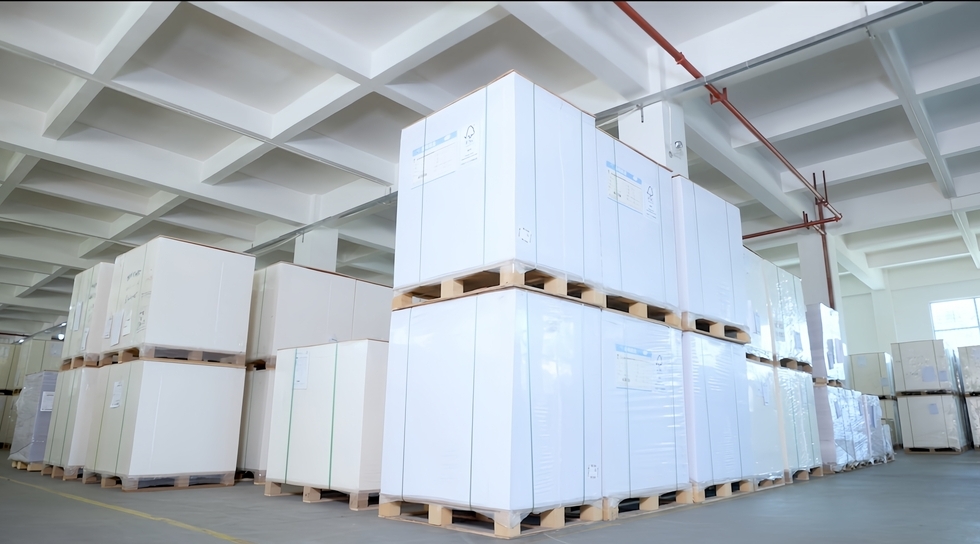
Procedures for incoming quality sampling include routine physical testing, routine chemical testing of suppliers' products, regular incoming material sampling, and monthly supplier performance reviews.
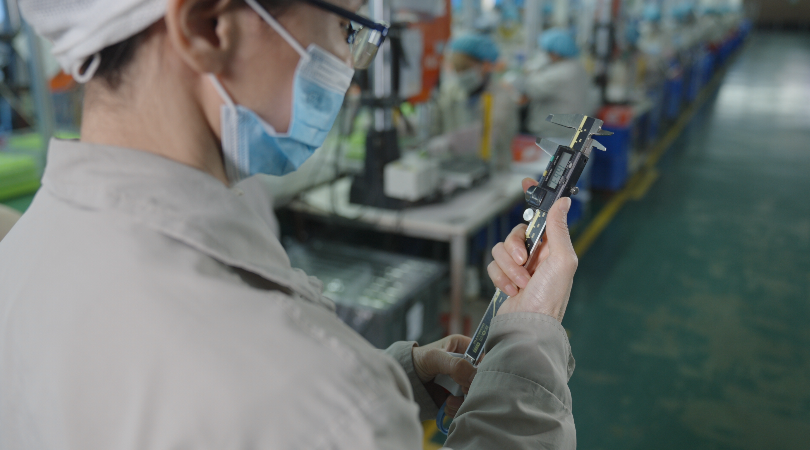
Products may undergo testing by third-party testing laboratories, including mechanical testing, fire testing, heavy metal testing, and microbiological inspections.

We conduct comprehensive assessments of material management, supplier production capacity, and quality control capabilities. This is achieved through processes such as supplier management systems, chemical qualifications for new suppliers, qualification audits of production processes and quality systems, and routine chemical sampling and testing.

Key workstation control plans and quality standards are in place, along with internal audits, functional, physical, and appearance testing, reliability testing, product safety testing, and transportation testing.
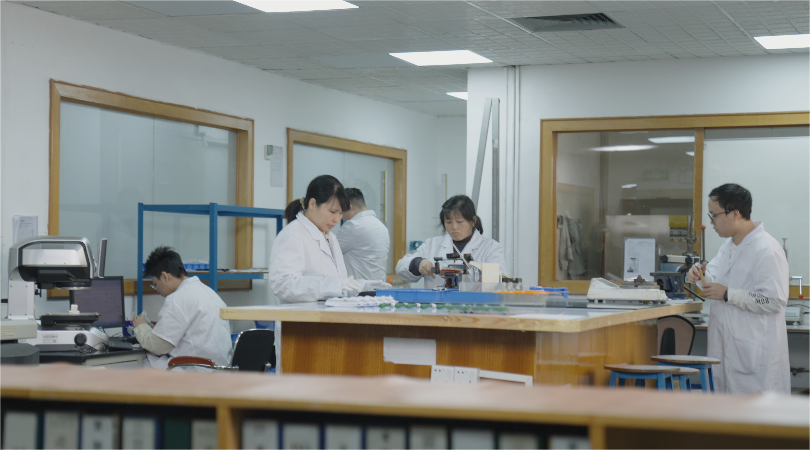
In response to customer requirements, quality prevention is conducted throughout the new product development process, including quality assurance control points such as prototype/design/mold reviews, pre-feasibility test plans, feasibility testing, production authorization approvals, quality control plans, and production process control plans.
We conduct comprehensive assessments of material management, supplier production capacity, and quality control capabilities. This is achieved through processes such as supplier management systems, chemical qualifications for new suppliers, qualification audits of production processes and quality systems, and routine chemical sampling and testing.
Procedures for incoming quality sampling include routine physical testing, routine chemical testing of suppliers' products, regular incoming material sampling, and monthly supplier performance reviews.
Key workstation control plans and quality standards are in place, along with internal audits, functional, physical, and appearance testing, reliability testing, product safety testing, and transportation testing.
Products may undergo testing by third-party testing laboratories, including mechanical testing, fire testing, heavy metal testing, and microbiological inspections.
Combine Will is a toy manufacturing company with multiple factories in China and Indonesia. The company owns four factories in Heyuan and Dongguan, Guangdong Province, as well as Cangwu County, Guangxi Province, in China, and one factory in Central Java, Indonesia. Each of these factories is equipped with a supply chain department, and complete material supply chains have been established both domestically and internationally to support the production lines in the Chinese factories.
The supply chain of Combine Will is one of the key factors contributing to the company's success. The company has established extensive material supply chains both domestically and internationally to ensure timely supply and quality control of raw materials. These supply chains involve cooperation with suppliers to ensure a stable supply of raw materials, and the company also collaborates with logistics companies to ensure products can be delivered to customers on time.
The factories in China are equipped with advanced production equipment and technology, and with the support of the supply chain departments, they can effectively manage and control the production process. This enables the company to provide high-quality products and deliver them to customers on time.
In addition to the factories in China, Combine Will has also established material supply chains locally in Indonesia and within ASEAN countries. This is to support the development and production of the Indonesian factory. By establishing material supply chains locally, the company can better control the quality and supply of raw materials, and more flexibly respond to market demands.
The strong supply chain of Combine Will enables the company to maintain a competitive edge in the fiercely competitive market. This allows the company to provide high-quality products and deliver them to customers on time. The company's supply chain departments continuously strive to improve and optimize the supply chain to ensure that the company can meet customer needs and maintain competitiveness.
Combine Will possesses a robust supply chain, which is one of the key factors contributing to the company's success. By establishing complete material supply chains in both China and Indonesia, the company can ensure timely supply and quality control of raw materials, and provide high-quality products while delivering them to customers on time. The company's supply chain departments continuously endeavor to improve and optimize the supply chain to ensure that the company can maintain its competitive advantage and satisfy customer needs.